
By Trish J. Gibson
Rural Assembly Communication and Program Coordinator
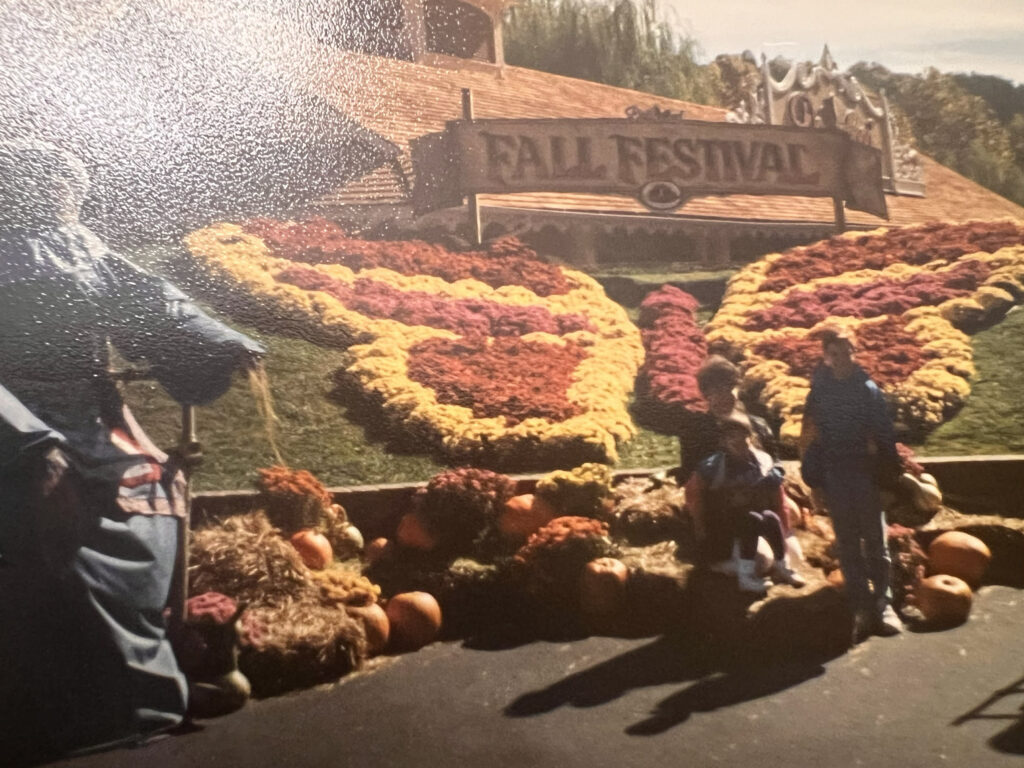
I can’t remember a time in my life when I didn’t know about Dolly Parton. Being from East Tennessee and growing up in the hills of Appalachia, she was ubiquitous. When I was little, I dozed in the cool air of the theater at Dollywood’s HeartSong and white-knuckled my way through my first big roller coaster ride on the Tennessee Tornado. Even now I have a couple of Dolly-themed mugs in my cabinet and an old Dolly tour shirt in my dresser. Dolly wove her way into my understanding of the place where I was from; she always felt like home. While Dolly is certainly a role model to people around the world, to us Appalachian women, she is more than just someone to admire; she told us it was okay to be ourselves, and she gave us permission to reach beyond the stereotypes we were given.
In 2020, at the first Rural Assembly Everywhere virtual gathering, Benya Kraus talked with Sarah Smarsh about Smarsh’s book She Come By It Natural: Dolly Parton and the Women Who Lived Her Songs. During that conversation, Smarsh talks about the gift of leaving and returning home, and how Dolly is one of our greatest examples of someone who had to leave home to become who she was meant to be, but never forgot her rural roots.
While Dolly is certainly a role model to people around the world, to us Appalachian women, she is more than just someone to admire; she told us it was okay to be ourselves, and she gave us permission to reach beyond the stereotypes we were given.
Dolly was shamed for being who she was, not just by the media that sought to reduce her people and her region to a caricature, but also by her family when she first began forging her own path. She was from a conservative town that wanted her to be a smaller version of herself to fit into the ideals of the area and the time, but Dolly remained true to herself and her own inner compass; by doing that, she paved the way for us all to be who we are and be proud of it. Throughout Dolly’s own life, she remained proud of where and how she grew up, and after she achieved fame, she poured resources back into the place that raised her, the same place that raised me.
The parallels that Sarah Smarsh draws between herself and Dolly ring true in my life, too. I left my small town to go to graduate school, and during that time, I found a truer version of myself, a kinder and more nuanced understanding of the place where I’m from, and my own path back to Appalachia and caring for rural places at large. While we’re in a very different era than the one where this conversation first took place, Smarsh’s experience of Dolly is just as relevant, and the lessons Dolly taught us both remain.
Dolly was a dedicated advocate for rural people, the working class, LGBTQ+ rights, literacy, education, Tennessee wildlife conservation, and so much more. Dolly has always been the one thing we could all agree on, and she’s someone we will continue to look to as a beacon of light, love, and true generosity as we move into a world that no longer holds Dolly’s physical form, but will be forever marked by her presence.
You can revisit Benya Kraus and Sarah Smarsh’s conversation below and check out an accompanying article from the Daily Yonder written by Anya Slepyan (originally published on November 17, 2020).